How to Stay Calm During Your First Commute to Campus
TL;DR: To stay calm during your first commute to campus, prepare in advance with a practice drive, check your car, and plan extra time. Use GPS and calming audio on the road, maintain safe distances, and adjust your speed on campus. Finish by reflecting on what went well to improve next time.
Introduction: A Calm Start to a Big Milestone
Starting at a new school or heading off to college for the first time is a huge milestone, filled with excitement for all the new experiences ahead. With that excitement often comes a healthy dose of nerves—especially when you think about driving a new route for the first time. If the thought of navigating unfamiliar roads, morning traffic, and a bustling campus makes your stomach do flips, take a deep breath. You are not alone, and it's completely normal to feel this way. The great news? This commute is a manageable challenge, not an impossible obstacle. Confidence behind the wheel isn't instant—it's built through smart preparation and practice. This guide will give you a step-by-step plan to turn that first-day anxiety into calm control and safe driving habitsTrending Back School Teen Driving Safety Checklist Driversed.com that last a lifetime.
Even If You're Nervous…
Even if you've never driven in heavy traffic, aren't sure where to park, or feel overwhelmed by the idea of navigating a busy campus, you can make your first commute smooth, safe, and stress-free. The key is preparation before, during, and after your drive. Understanding teen driving safety statisticsTrending Infographic Trends In Teen Driver Safety Driversed.com can help reinforce why developing these habits early is so important.
Step 1: The Pre-Flight Checklist
The secret to a calm drive is getting things in order before you even start the engine.
Master Your Route Without Pressure
Take a weekend practice run when traffic is light—drive to campus and back at least once or twice. Pay attention to lane changes, speed limits, and tricky intersections. Note landmarks like a coffee shop or a bright-colored building that can serve as mental checkpoints.
Do a virtual preview with Google Maps Street View to see the exact campus entrance, get familiar with intersections, and preview the parking layout. This removes the element of surprise.
Prepare Your Vehicle and Your Mind
Do a quick car check—verify you have enough fuel for a round trip, adjust your seat and mirrors, and check tire pressure.
Plan for early arrival—add 20–30 minutes to your GPS time. This extra cushion means you can drive without rushing, handle unexpected delays calmly, and even have a few minutes to breathe before class.
Step 2: On-the-Road Confidence Tools
Use Technology as Your Co-Pilot
Set your GPS before moving—enter your destination and start navigation while parked, with voice guidance on at a comfortable volume.
Create a "calm commute" playlist—avoid high-energy tracks or loud debates. Choose music or podcasts that keep your mood steady.
Practice Mindful Driving Techniques
Focus on your breathing—inhale through your nose for four counts, exhale through your mouth for six counts to reduce tension.
Maintain a safe following distance—use the 3–4 second rule behind the car in front of you to give yourself more time to react. These defensive driving techniquesTrending All You Need Know About Defensive Driving Driversed.com are essential skills that can prevent accidents and reduce stress.
Step 3: Navigating Campus Like a Pro
Adjust for the Campus Driving Environment
Lower your speed—expect students on foot, bikes, and skateboards, often distracted by their phones.
Watch for unique signage—look for parking lot numbers, one-way streets, and restricted zones. If you miss your turn, stay calm, pull over safely, and re-orient yourself. Remember that understanding road safety fundamentalsTrending Teaching Teens Road Safety Skills Encourage Safe Driving Adulthood Driversed.com can help you navigate campus environments more confidently.
Handle Parking Without Stress
Know your lot in advance—thanks to your practice run and online research, you should already have a parking spot in mind.
Take your time parking—if you need to readjust, do it. Look for pull-through spots to make leaving easier later.
Step 4: End with Reflection and Learning
When you arrive and park, pause for a moment before getting out. Recognize what you accomplished—you drove a new route, managed your nerves, and arrived safely. Think about what went well and what you might change for next time, like choosing a different lane or adding a song to your playlist that helped you relax. If you're preparing for your driving test, these expert driving test tipsTrending How Pass Your Driving Test First Time Avoiding Common Mistakes Driversed.com can help build additional confidence.
Your First Commute Can Set the Tone
The preparation you do and the calmness you practice aren't just for one commute—they're the foundation for a lifetime of safe, confident driving. With the right mindset and tools, your first trip to campus can become a confidence boost that carries you through every drive ahead.
FAQ: Staying Calm and Prepared for Your First Campus Commute
How much time should I allow for my first commute to campus?
Plan for an extra 20–30 minutes beyond what your GPS suggests. This buffer accounts for traffic delays, unfamiliar roads, and time to park. Arriving early allows you to walk calmly to class without rushing, which lowers your stress levels before the day begins.
How should I prepare my vehicle before my first commute?
Check your fuel level to ensure you can make a round trip, adjust your seat and mirrors for comfort, confirm tire pressure for safety, and ensure your windshield is clean for maximum visibility. A quick check like this helps prevent surprises on the road.
What's the best way to get familiar with the campus layout?
Combine a practice drive with an online map preview. Drive the route during a quiet time, note parking lot locations, and pay attention to any one-way streets or restricted zones. Use Google Maps Street View to preview key turns and parking entrances before your actual commute. If you're preparing to navigate busy campus parking areas, understanding parking lot safety techniquesTrending Parking Lot Safety What New Drivers Need Know Driversed.com can help streamline the process.
How can I stay calm if I encounter unexpected delays or get lost?
If traffic is heavier than expected or you miss a turn, stay patient. Pull over safely if you need to, take a few deep breaths, and use GPS or a campus map to reorient yourself. Remember, arriving safely is more important than arriving exactly on time.
Get Started with your Online Drivers Ed Course Today

Florida Drivers Ed: Teen vs. Adult - What's the Difference?
Understand the difference between Florida teen and adult drivers ed in 2025. Learn which course you need—DETS or TLSAE—and how to get your license fast.
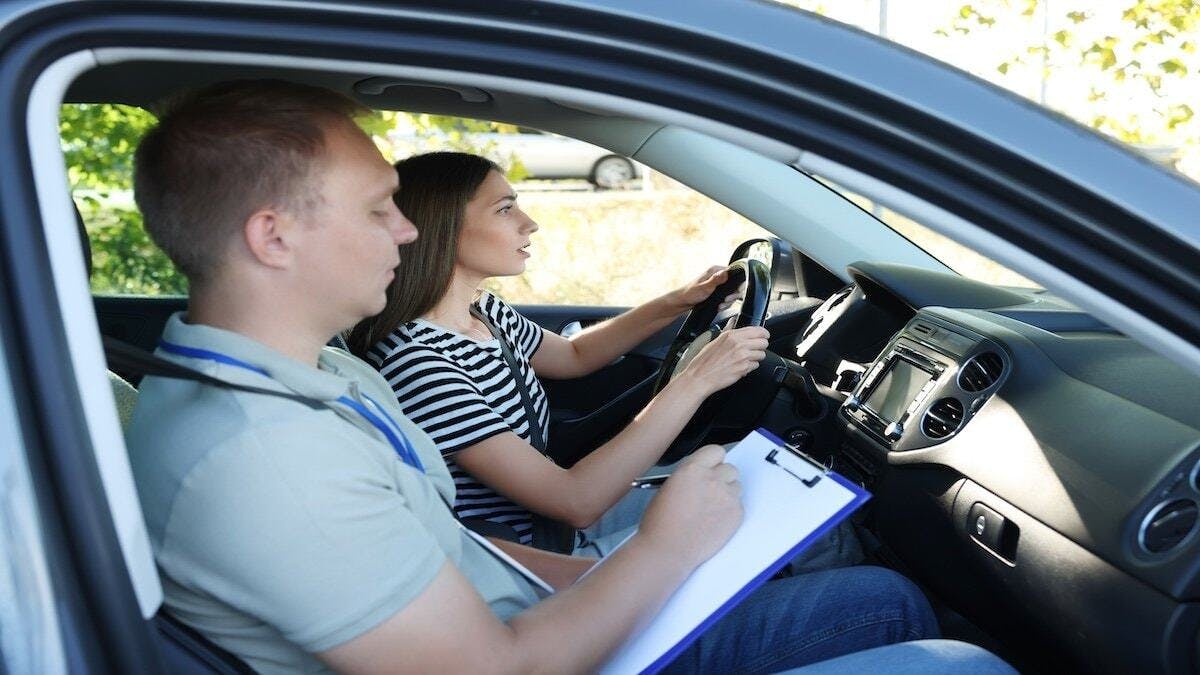
Most Common Driving Test Mistakes to Avoid: Guide For Confident Teen Drivers | Drivers Ed
Learn the most common driving test mistakes to avoid and how to fix them. Essential guide for nervous teen drivers preparing for test day success.

Beat the Rush: Complete Your Drivers Ed Before the Holidays
Beat the DMV rush. Learn how finishing drivers ed before the holidays helps you stay calm, save time, and start the new year confident and ready to drive.
Looking for more driving resources?
Enter your email for deals, study materials, car maintenance tips, insurance savings, and more.