Intersections & You: A Guide for New Drivers
When you are learning to drive, intersections can feel a little tricky. When two cars get to a four-way stop at the same time, how do you kow who goes first? When should you yield and when do you have the right of way?
This guide for new drivers will hopefully answer all your burning intersection questions!
Let’s start with the concept of right of way.
Right of Way
Identifying which car has the right of way is how you determine which car goes first and which car(s) should yield.
The right-of-way rules are different for different types of intersections. Next, we’ll look at the various kinds of intersections and go over what the right-of-way rules are for each type.
Types of Intersections
What is a 4-Way Intersection?
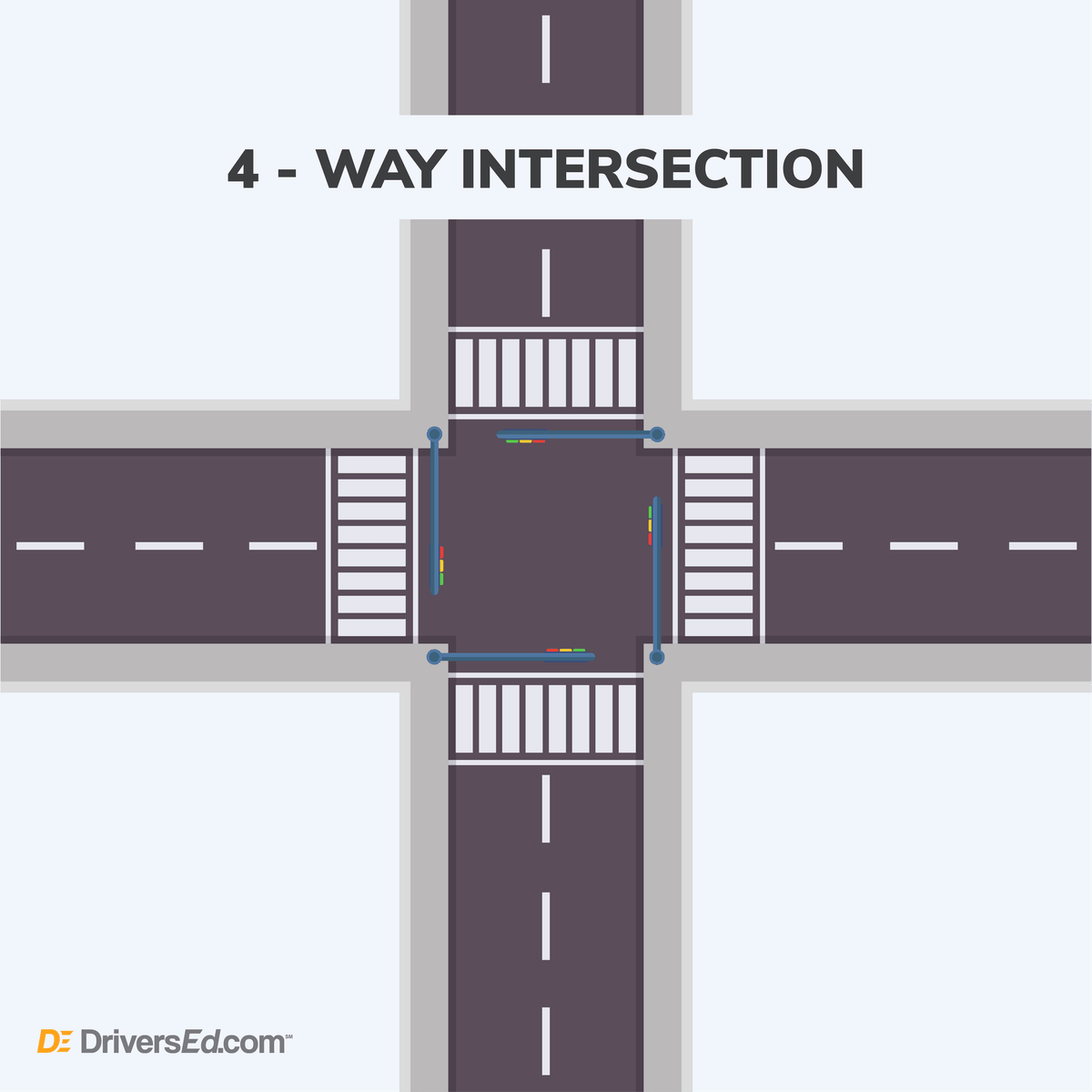 4-way intersections are where two streets cross each other. The 4-way intersection may have a traffic light or stop signs. Always stop at any red lights or stop signs. Look for cars, bicycles, and pedestrians before continuing to drive through the intersection.
Right-of -way rule: If two cars get to the 4-way intersection at the same time, the car to your right has the right of way.
What is a T-intersection?
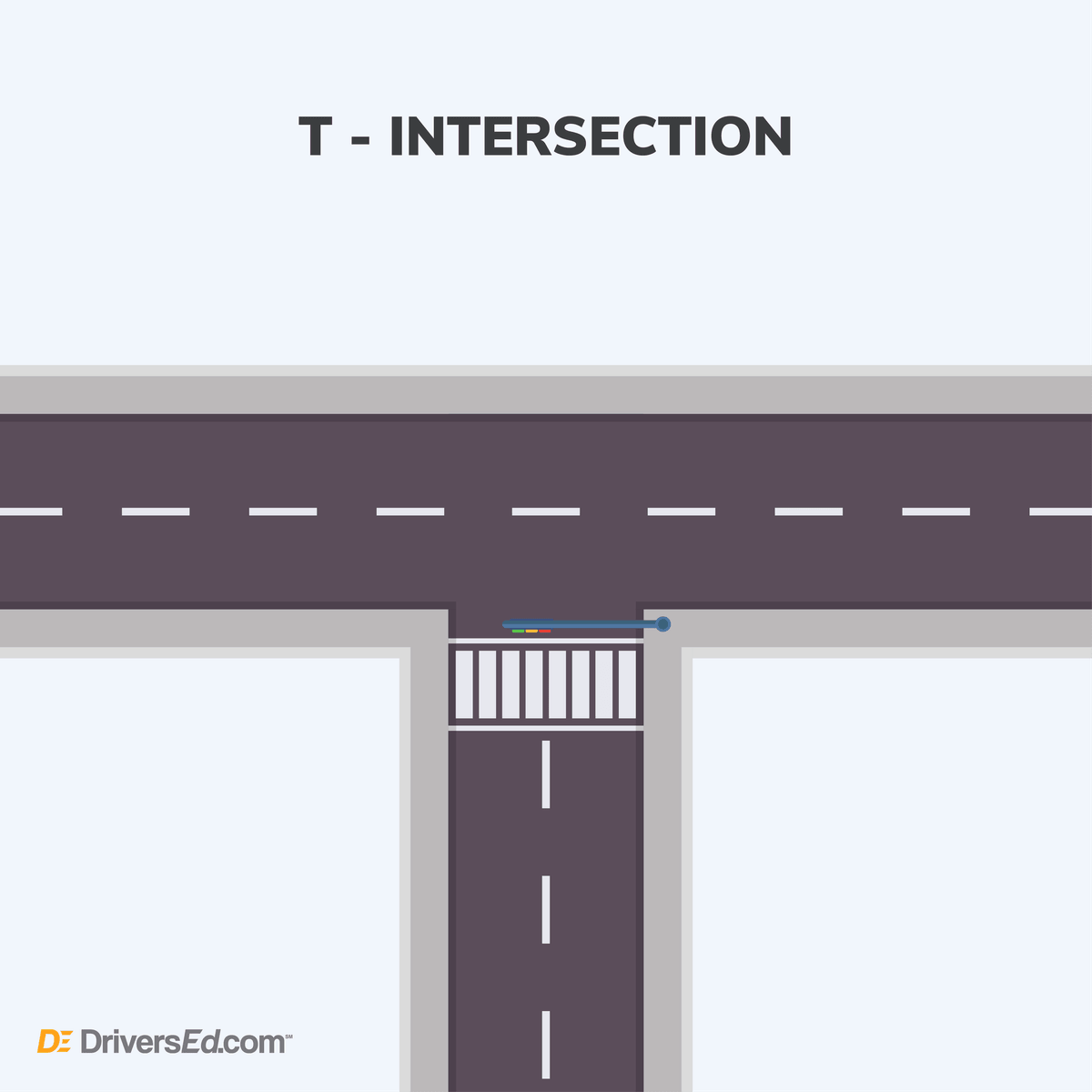 A T-intersection is when a road ends where it intersects with a road that crosses it. (The road that crosses is called the through road).
Right-of-way rule: The cars on the through road have the right of way.
What is a Y-intersection?
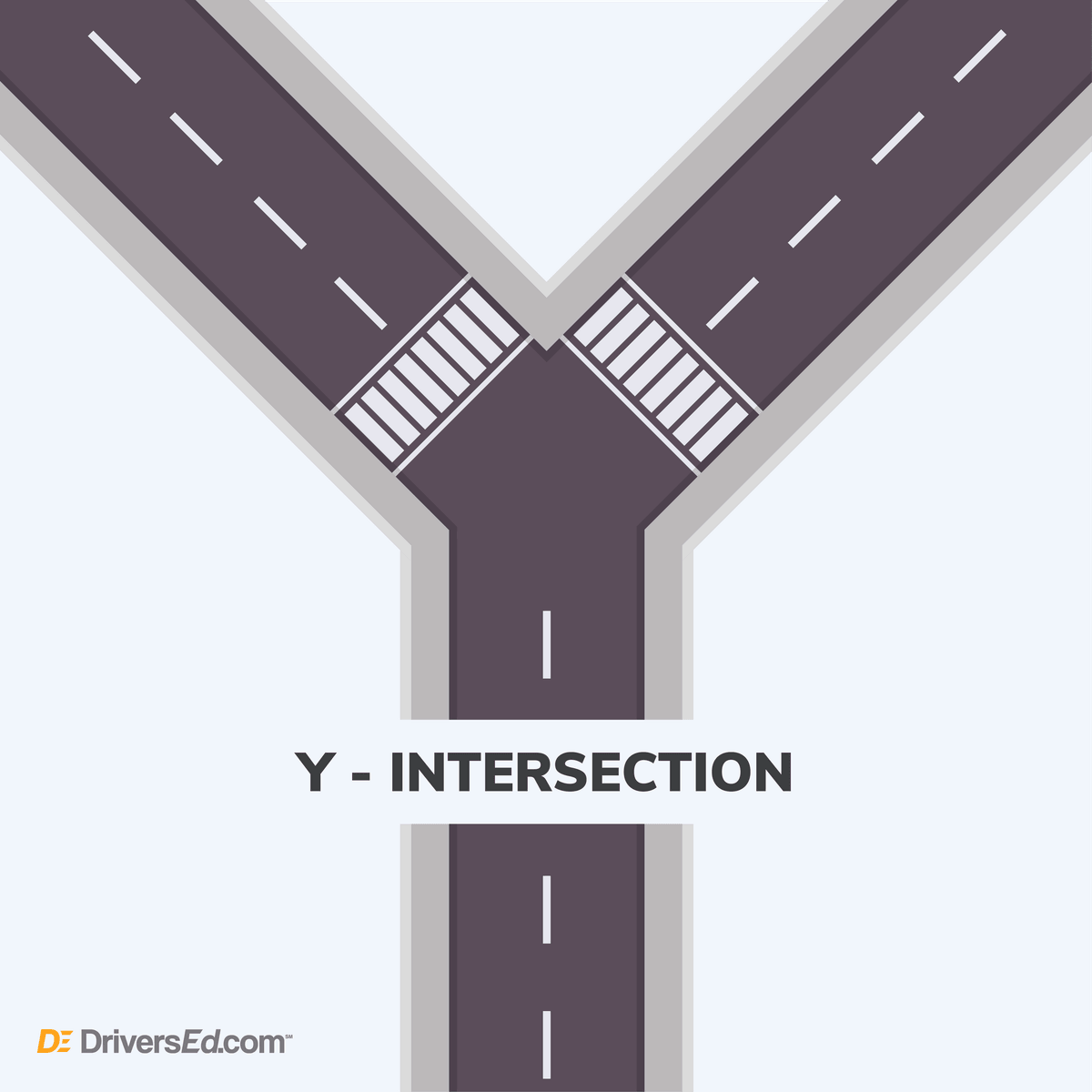
A Y-intersection is when a minor road connects with more major routes. There may or may not be a stop sign.
Right-of-way rule: Generally, the rule is that cars on major roads have the right of way.
What is a Traffic circle?
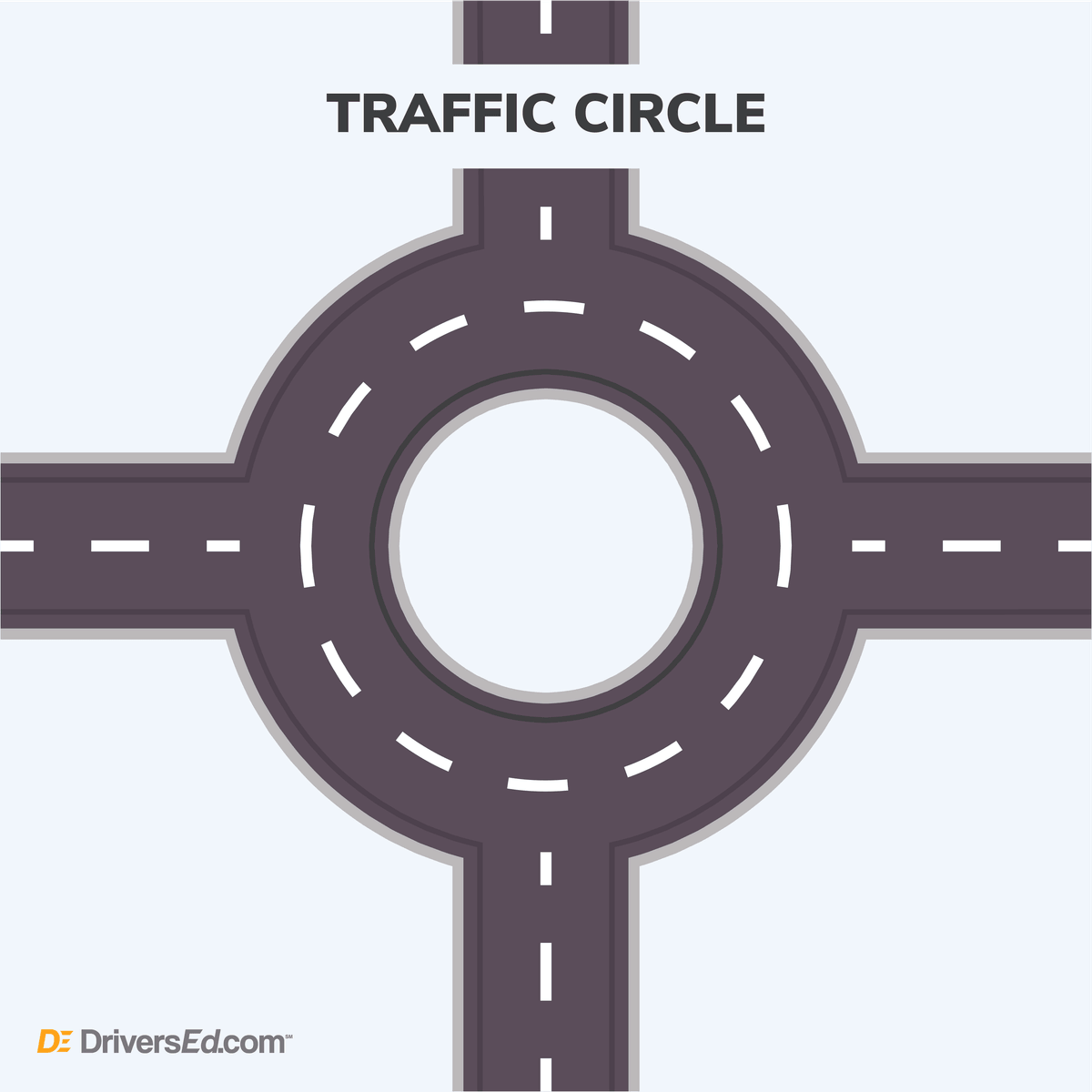 With a traffic circle, also known as a roundabout, drivers don’t cross an intersection. Instead, they travel counter-clockwise in a circle.
Right-of-way rule: Drivers entering the traffic circle must yield to cars coming from the left.
What is an Uncontrolled Intersection?
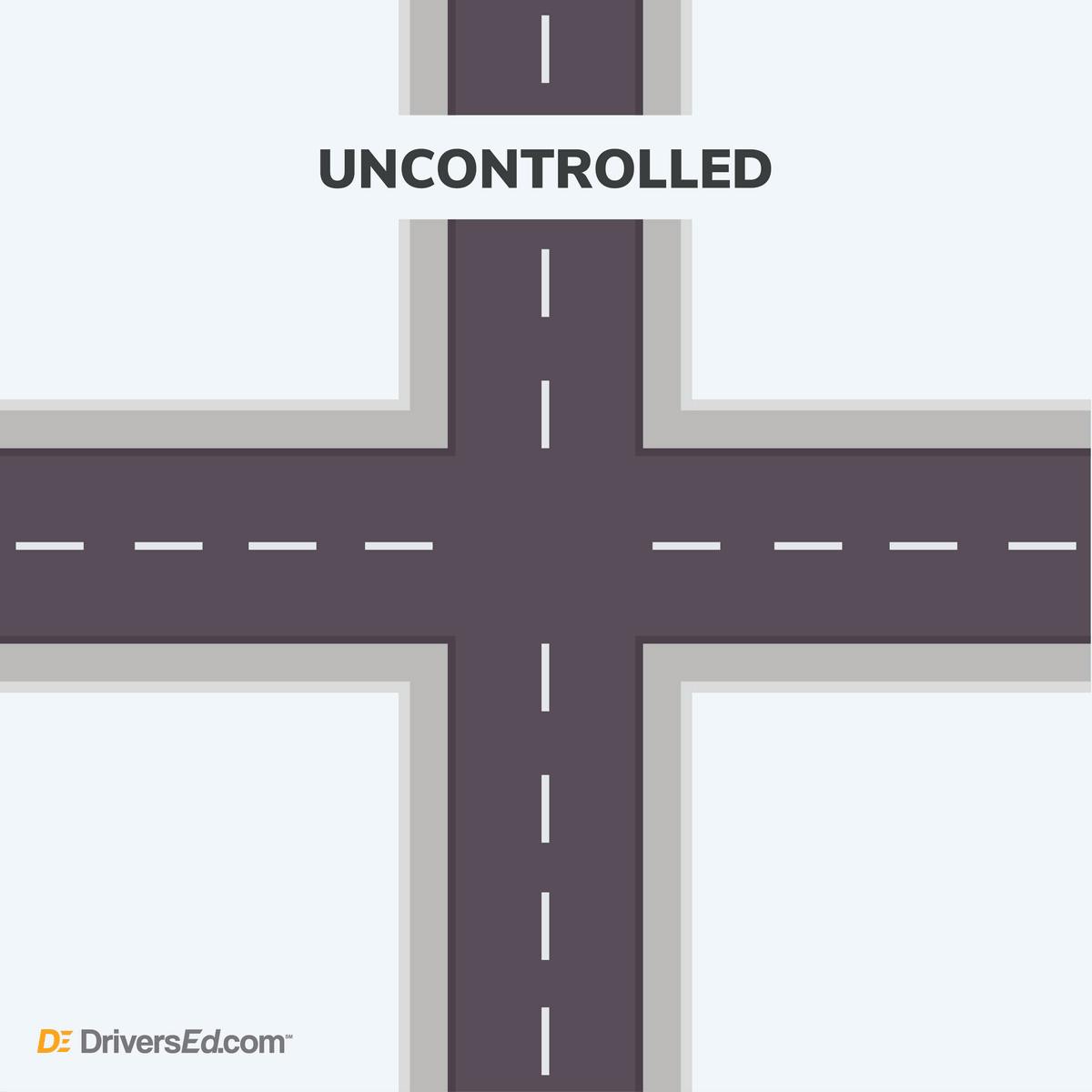 Uncontrolled intersections don't have stop signs or traffic lights. So, neither car has the right of way.
Right-of-way rule: Usually the car that arrived at the intersection first goes first.
What is a Pedestrian Crosswalk?
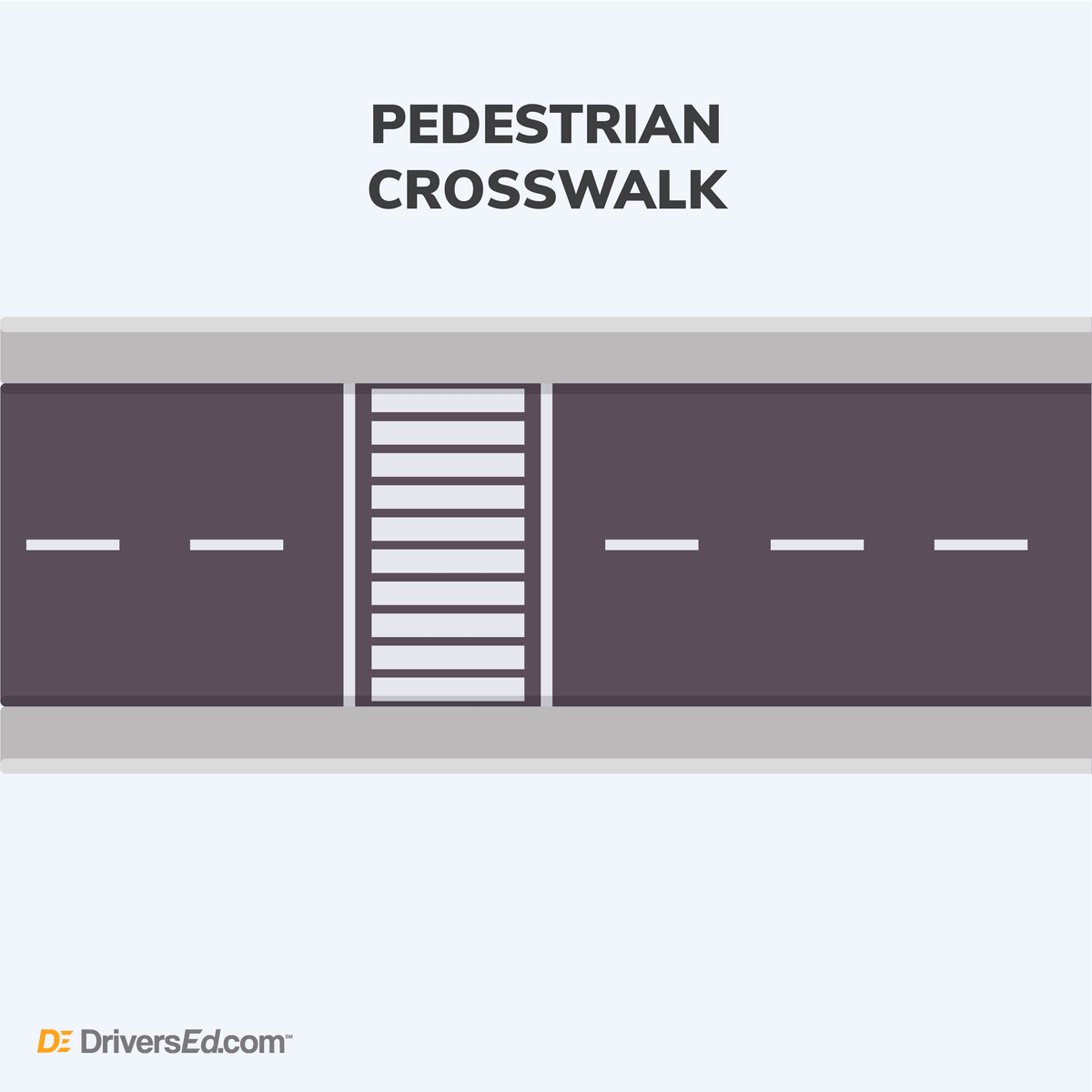 In many cities, pedestrians have the right of way when using a marked crosswalk.
Right-of-way rule: Whether the crosswalk has a stop sign or not, drivers should stop to allow pedestrians to cross.
Intersection Tips:
Wait a few moments after the light turns green and look both ways to make sure the intersection is clear. Just because you have the right of way does not mean other cars will yield.
Always be observant of other vehicles, cyclists, and pedestrians. Don’t assume they will follow the rules and do what you expect them to do.
Don’t use cell phones until you are no longer in the driver’s seat.
Use hands-free connections for calls made during driving.
If you have a collision in an intersection, pull off the road and onto the shoulder (if possible). Exchange insurance information with the other driver and call the police. Wait in your car until authorities arrive.
Hopefully this guide has been helpful! Navigating intersections will become second nature to you before long.
Ready to learn how to drive and get your license?
Our drivers ed courseDrivers Ed Driversed.comDrivers Ed Driversed.com will teach you everything you need to know to stay safe and drive with confidence.
Get started with Drivers Ed Driversed.comDrivers Ed Driversed.comDriversEd.com today!
Get Started with your Online Drivers Ed Course Today
Updated February 28, 2023
Looking for more driving resources?
Enter your email for deals, study materials, car maintenance tips, insurance savings, and more.